

Dental Implants NYC
Providing Implant Teeth In Manhattan NYC
Jump To: Benefits, Experience, Options, Prices & Cost Factors, Frequently Asked Questions, Our Dental Implant Experts
At A Glance: Dental Implants
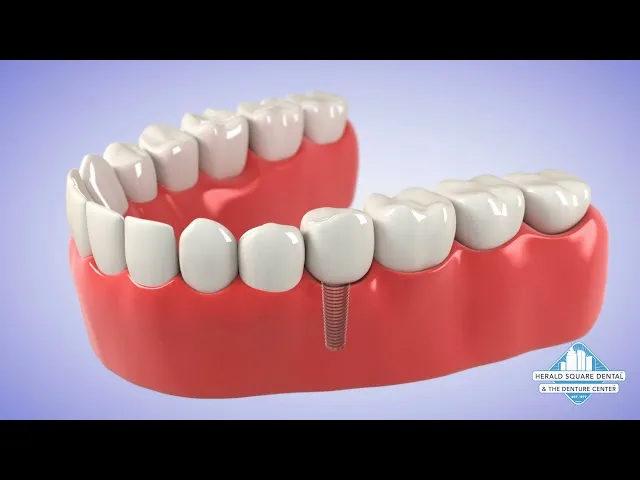
- Dental Implants: An implant is a titanium root inserted in the jaw and topped with a crown, bridge, or denture. It is the dental replacement that replaces the root, not just the tooth.
- Dental Implant Benefits: There is no slipping, no adhesive, and most patients return to eating nearly all foods comfortably. Implants function and feel like natural teeth because they’re anchored the same way.
- Dental Implant Patient Experience: Patients follow a planned, staged process consisting of consultation, any needed prep work, placement, and healing, all paced to your case, not a fixed calendar.
- Dental Implant Options: From a single crown to a full-arch on 4 or overdenture, implant restorations are matched to how many teeth need replacing.
- Dental Implant Prices: Pricing is specific to each individual patient’s case and treatment plan. This is why a consultation is important to understand your case and price factors.
Dental implants replace what dentures without implants, can only approximate. They provide a secure, fixed foundation for eating, speaking, and smiling naturally. Unlike a denture, which rests on the gum, an implant integrates directly with the jawbone, giving you back a bite that functions like your natural teeth. From a single missing tooth to a full arch, implants are planned, placed, and restored as one continuous treatment.
Make Your Smile Complete:
Schedule your free dental implants consultation today!
Patient Benefits: Dental Implants
Dentures rest on the gum. Implants integrate with the bone beneath it. And that difference shows up everywhere from your bite to your bone density.
Function
- Strong, stable bite for chewing comfortably
- Fixed prosthesis secured to the jaw, which means no slipping mid-conversation
- Natural speech and lip support, without the air gaps loose dentures create
- No need to balance traditional dentures or rely on sticky pastes and adhesives
- Improved eating experience, thanks to an unobstructed palate for texture and temperature
Appearance
- Restored smile, built tooth by tooth or arch by arch to match your face
- Corrected facial structure preventing the “sunken” look that comes from long-term bone loss associated with missing teeth or traditional dentures
Health
- Improved diet and nutrition once chewing is no longer a limiting factor
- Familiar hygiene and care: they brush and floss like natural teeth without a separate cleaning routine
Implants vs. Dentures:
Dentures replace what’s visible above the gum line; implants replace the root beneath it. That’s why implants stop the bone loss dentures can’t prevent, and why patients typically describe the difference less as “better teeth” and more as “my bite is normal again.”
Patient Experience: Dental Implants
Every implant case follows the same four stages. How long each one takes depends on your mouth, not a generic schedule.
Stage 1: Consultation & Treatment Planning
We start with a full exam and imaging to confirm candidacy, then build a plan specific to your case: how many implants you need, whether standard or mini implants fit your jaw, and which restoration – a crown, bridge, or denture – will sit on top. Our overdenture restoration lab is in-house, your crown or denture is designed alongside your surgical plan, not after it.
Stage 2: Prerequisite Procedures
Some cases are ready for implants immediately. Others need groundwork first, addressed before placement so the implant has healthy tissue and bone to anchor into:
- Periodontal maintenance: treating gum disease before it can compromise a new implant
- Bone grafting: rebuilding jawbone that’s thinned from missing teeth
- PRF (Platelet-Rich Fibrin): healing factors can be collected before surgery to aid the later healing process
- Sinus lift: creating clearance for upper-jaw implants near the sinus floor
- Esthetic sync (teeth whitening): matching your restoration’s shade to your natural teeth
Stage 3: Implant Placement Surgery
The implant post is placed into the jawbone under local anesthesia, with sedation options available. Most patients return to normal activity within a day or two, with the surgical site left to heal undisturbed.
Stage 4: Healing and Restoration
The implant fuses with the jawbone over the following weeks to months. This is the critical step that gives implants their permanence. Once integration is confirmed, your custom crown, bridge, or denture is attached, and your smile is complete.
Patient Options: Dental Implants
One missing tooth and a missing arch call for different solutions. Here’s how the options break down.
Implant Crown
A single implant topped with a custom crown. This is the most direct replacement for one missing tooth, matched to your bite and enamel shade.
Learn more about implant crowns.
Implant Bridge
Two or more implants supporting a fixed bridge, replacing several teeth in a row without touching the healthy teeth beside the gap.
Implant Overdenture
A full denture secured to implants rather than resting on the gum. It is stable, removable for cleaning, and available with three attachment styles:
- Ball attachment
- Bar attachment
- Screw-retained
Learn more about Implant Overdentures.
Full-Arch On 4 Dental Implants
A full arch of teeth supported by just four strategically angled implants for fewer implants, less bone grafting, and a fixed result.
- Reduced implant count per arch
- Specialized angled placement of implants for improved stability
Learn more about Full-Arch On 4 Dental Implants.
Denture Conversion
Already wearing a denture? In many cases it can be converted into an implant-secured restoration rather than replaced outright.
Learn more about Fixed Denture Conversion.
Snap-In Denture
A removable prosthesis (overdenture) that combines the simplicity and convenience of traditional dentures with the stability and comfort of implant-supported solutions.
Learn more about Snap-In Dentures.
| Implant Type | Application | Benefits |
|---|---|---|
| Implant Crown | Single missing tooth | Natural look & feel, preserves jawbone structure |
| Implant Bridge | Consecutive missing teeth | No damage to neighboring healthy teeth |
| Implant Overdenture | Missing all teeth in an upper or lower arch | Fixed implant solution providing stable replacement |
| Full-Arch On 4 | Missing all teeth in an upper or lower arch | Fixed implant solution requiring fewer implants |
| Mini Dental Implants | Small jawbones or improving denture stability | Less invasive, quicker recovery |
Prices & Cost Factors: Dental Implants
Implant pricing is case-dependent by nature and no two patients need the exact same treatment. In general, a single dental implant in NYC may range anywhere from approximately $3,000 to $6,500 or more depending on the restoration and complexity of treatment. Here’s what moves the number, and what it costs to wait.
What Determines Your Price
- Number of implants your case requires
- Type of restoration: crown, bridge, overdenture, or full-arch on 4
- Any prerequisite procedures, such as PRF, grafting or a sinus lift
- Overall case and surgical complexity
The Cost of Going Without
- Continued esthetic change as facial structure shifts (sunken face)
- Reduced eating comfort and food choices (difficulty chewing and digesting)
- Speech affected by shifting or loose teeth
- Jawbone resorption that compounds over time
- Reduced diet and nutrition
- Fumbling, slipping, or removing dentures in public
- Gum irritation from ill-fitting prosthetics
Note: Every quote follows a consultation because cost depends entirely on your case. Therefore, a clear itemized estimate is presented once your plan is set.
The Time To Act Is Now:
Take advantage of our free dental implants consultation offer today!
Frequently Asked Questions: Dental Implants
- Am I a candidate for dental implants?
- How long does the entire process take?
- Is implant placement painful?
- What’s the difference between standard and mini implants?
- How long do dental implants last?
- Does insurance cover dental implants?
- What if I’m not a candidate for conventional implants?
- Can implants fail?
- What are symptoms of dental implant failure?
- What are my options if a dental implant fails?
Am I a candidate for dental implants?
If you are missing one or more teeth, whether from decay, trauma, gum disease, or have failing dentures, you are most likely a candidate. Most patients with adequate jawbone density and healthy gums are candidates. Even if you’ve been told you don’t have enough bone, options like bone grafting, PRF, or mini-implants can help. The only way to know for certain is a consultation exam and imaging.
How long does the entire process take?
Simple, single-implant cases can be completed in a few months. The dental implant process typically happens in stages, including consultation, implant placement, healing, and final restoration. Healing, known as osseointegration, usually takes 2–6 months, allowing the implant to fully bond with the jawbone. Your treatment plan will lay out a realistic timeline for your case specifically.
Is implant placement painful?
You’ll be professionally numbed and sedation is available. Most patients notice some mild soreness for a day or two, many describe the recovery as milder than expected, comparable to a tooth extraction.
What’s the difference between standard and mini implants?
Standard implants are wider and are the default choice when there’s enough jawbone to support them. Mini implants have a smaller diameter, which can make them suitable for narrower ridges or as a way to avoid additional bone grafting.
How long do dental implants last?
The implant post itself is designed to last for decades, and often a lifetime, with good home care and routine checkups. The crown or denture on top has its own lifespan and may need adjustment or replacement over the years, similar to any dental restoration.
Does insurance cover dental implants?
Coverage varies widely by plan and by procedure, some cover implant placement, some plans covering portions of the restoration or prerequisite care even when they don’t cover the implant itself. Our team will review your specific benefits as part of your treatment planning.
What if I’m not a candidate for conventional implants?
Even if you’ve been told conventional implants aren’t an option, mini implants can provide excellent results. For example, a patient with insufficient bone for standard implants may benefit from 4–6 mini or ZEST implants, which evenly distribute the load for a full denture.
This approach is less invasive, often more affordable, requires less healing time, and usually eliminates the need for additional bone grafting—helping you regain function and confidence in your smile more quickly.
Can implants fail?
It’s uncommon. Risk factors include infection, bone loss, dental trauma, lack of integration with jawbone, uncontrolled gum disease, smoking, or heavy grinding. We plan carefully and monitor healing to protect your result.
What are symptoms of dental implant failure?
Symptoms of dental implant failure include gum recession around the implant, a loose or shifting implant, severe pain or discomfort, difficulty chewing or biting, or swelling or inflammation of the gums. Contact Herald Square Dental immediately if you have any of these symptoms, as they may be signs of early or late dental implant failure.
What are my options if a dental implant fails?
At Herald Square Dental, how we address implant failure depends on the underlying cause. Our expert implant dentists will evaluate your situation and create a personalized treatment plan tailored to your needs.
As leaders in dental implant placement in NYC, we’re proud that our success rate mirrors the 98% success rate reported in scientific literature. With proper care, our implants are designed to last a lifetime.
If you’re experiencing implant failure or have missing teeth, we welcome you to our practice. Using the latest technology and our dentists’ expertise, we offer effective treatment options to restore your smile to full health and beauty.
Dental Implant Experts In Manhattan NYC
Dr. Arthur Yam
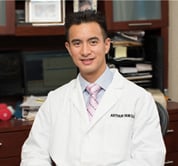
Regional Clinical Director
Cosmetic & Implant Dentist
“Helping someone regain their confidence through a smile transformation is one of the most powerful parts of dentistry-and what drives me every day.”
Hometown: New York, NY
Formal Education: 8 Years
Continuing Education: 800+ Hours
In Practice: 22+ Years
Implants Placed: 1,000+
Expertise Highlights:
NYU College of Dentistry: Doctor of Dental Surgery
NYU College of Dentistry: Implantology Surgical and Prosthetic Treatment (2-Year Program)
Flushing Hospital: Residency
Pikos Institute: Full-Arch Implant Reconstruction Graduate
IMTEC: Mini Dental Implant Residency
Certifications: Invisalign® Certified, Trudenta Certified
Memberships: ADA, AGD, ICOI, NYSDS, ICOI, AACD
Dr. Alfred Shirzadnia

Cosmetic & Implant Dentist
“You can rest assured that you’ll receive the personalized attention you deserve. My team and I will listen to your needs and answer all your questions.”
Hometown: East Hill, NY
Formal Education: 8 Years
Continuing Education: 800+ Hours
In Practice: 30+ Years
Implants Placed: 1,000+
Expertise Highlights:
NYU College Of Dentistry: Doctor of Dental Surgery
Cumberland Diagnostic & Treatment Center: Ryan White Fellow
Wyckoff Heights Medical Center: Oral & Maxillofacial Surgery Fellow
Wyckoff Heights Medical Center: Chief Surgical Resident
IAO: Orthodontics Course Completion
APRF-IPRF Hard & Soft Tissue Regeneration Course Completion
Certifications: Invisalign® Certified, Zest Master Full-Arch Certified
Memberships: IAO, AACD, AID, ICOI, AAFE
Trust Your Care To Our Expert Team
Schedule your free dental implants consultation today!
Free Dental Implants Consultation
Contact our office to learn more about this offer and to schedule your free dental implants consultation.