

Navigating Cooler Weather With Sensitive Teeth
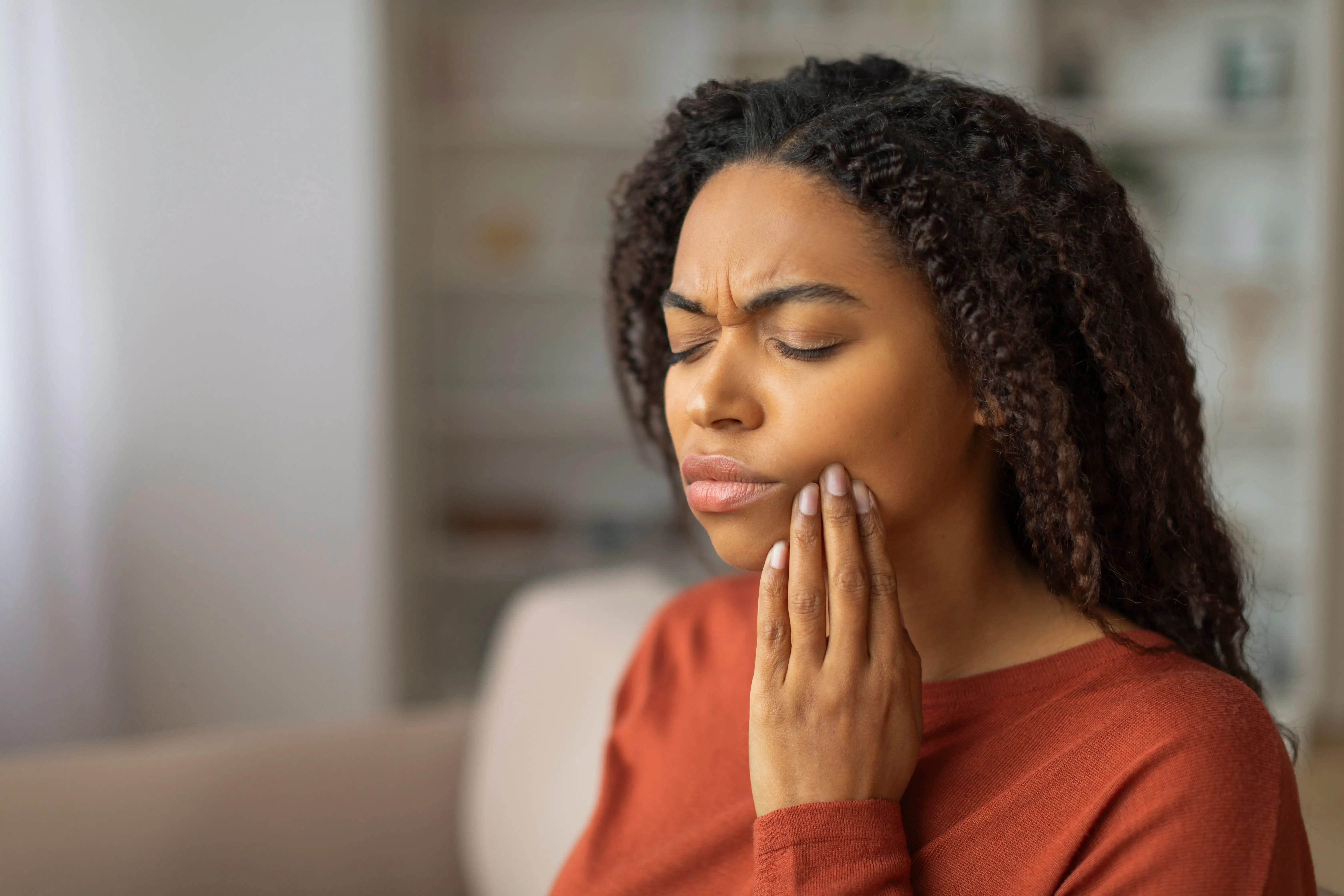
Understanding Tooth Sensitivity: Causes, Management, & Relief
At A Glance
- Signs & Symptoms: Identify the common sensations of discomfort, from mild twinges to sharp pain during cold weather exposure.
- Underlying Causes: Examine the physical culprits behind sensitivity, including tooth decay, gum recession, exposed tooth roots, cavities, and caries.
- Treatments & Management: Discover professional options ranging from desensitizing toothpaste to restorative dentistry, dental fillings, dental crowns, root canals, gum grafting, periodontal maintenance, and deep teeth cleaning.
As autumn leaves give way to the brisk winds of winter, many of us look forward to cozy sweaters, hot beverages, and festive gatherings. However, for those dealing with tooth sensitivity, the shift in seasons can bring an unwelcome and sharp discomfort. Taking a breath of crisp winter air or sipping a hot cup of coffee can suddenly trigger a sharp, shooting pain. Understanding why this happens and how to manage it can help you enjoy the cooler months in comfort.
Signs and Symptoms of Tooth Sensitivity
Tooth sensitivity is rarely subtle. When the weather outside turns colder, symptoms often become more pronounced. Common signs include:
- A brief, sharp flash of pain when breathing in cold outdoor air.
- Discomfort or stinging sensations when consuming hot, cold, sweet, or acidic foods and drinks.
- Tenderness when brushing or flossing near the gumline.
Recognizing these symptoms early can prevent minor discomfort from developing into a more complex dental issue.
Causes of Tooth Sensitivity in Cooler Weather
To understand why colder weather affects your teeth, it helps to look at the underlying structure of a healthy tooth. Beneath the hard outer layer of enamel lies dentin, a porous material connected to microscopic nerve endings. When protective layers wear down, temperature changes can stimulate these nerves directly. Common causes include:
- Gum Recession and Exposed Tooth Roots: As gums recede due to age, brushing too hard, or periodontal issues, the underlying roots lose their protective covering. Unlike the crown of the tooth, roots lack enamel, making them highly vulnerable to temperature fluctuations.
- Tooth Decay, Cavities, and Caries: Structural damage from decay creates pathways straight to the inner nerve center, causing sharp reactions to thermal shifts.
- Enamel Wear: Aggressive brushing, teeth grinding (bruxism), or acidic dietary habits can gradually thin the enamel shield.
When winter temperatures drop, the physical contraction of tooth structures and the influx of freezing air can easily provoke these vulnerable areas.
Treatments, Management, and Professional Solutions
Fortunately, various approaches can help manage and alleviate tooth sensitivity, ranging from home care to advanced dental procedures.
At-Home Management
- Toothpaste for Sensitive Teeth: Switching to a specialized desensitizing toothpaste can help block the pathways to dental nerves over time with regular use.
Professional Dental Care and Restorative Options
When over-the-counter remedies are not enough, professional interventions can provide lasting relief:
- Periodontal Maintenance and Deep Teeth Cleaning: Treating gum disease and removing subgingival plaque helps restore gum health and cover exposed roots.
- Gum Grafting: For significant gum recession, periodontal procedures can restore tissue coverage over vulnerable roots.
- Restorative Dentistry (Dental Fillings and Dental Crowns): Repairing structural damage, decay, or worn surfaces seals off exposed dentin.
- Root Canal Therapy: For severe cases where the nerve is deeply affected, endodontic treatment resolves pain at its source.
Consulting with an experienced dental team allows you to identify the precise cause of your discomfort and select the most effective path forward. Herald Square Dental has been serving the NYC area since 1977, and we’ve seen many winters that brought tooth sensitivity to our patients’ attention.
Has Colder Weather Brought Attention To Your Sensitive Teeth?
Contact our office today to schedule your appointment with our expert team in Midtown Manhattan.
FAQ
Why does my tooth sensitivity get worse in the winter?
Cold air passing over the teeth causes microscopic materials within the teeth and exposed roots to contract slightly, shifting fluid near the nerve endings and triggering a sharp pain response.
Can sensitive toothpaste fix my tooth pain immediately?
Desensitizing toothpastes typically require consistent use over several days or weeks to build up an effective barrier against thermal triggers.
When should I see a dentist for sensitive teeth?
If your sensitivity is localized to a specific tooth, lingers for a long time after consuming hot or cold items, or occurs alongside swelling or gum bleeding, you should schedule a professional evaluation promptly.
Comments are closed.